Mindfulness is not something we need to acquire or strive for; it already lives within us. And yet, while this seed is shared by all, each of us meets the practice in our own way shaped by our bodies, minds, and lived experiences. For some, particularly those with physical or neurodivergent differences, the way mindfulness is offered can unintentionally become a barrier, rather than an open doorway.
With the recent launch of our new Access to Practice folder, Plum Village App team members Jas and Felicia sat down with Sibling Yonten to explore how the idea took shape and how it grew from our shared commitment to making the app more accessible and inclusive.
Dear Sibling Yonten, please share more about yourself.
Hello, dear friends, the name is Sibling Yonten Phuntsok (they/them). A Buddhist monastic (self-ordained—a subject which we are open to discuss) who follows the teachings of Venerable Thich Nhat Hanh (also known as Thay, an affectionate Vietnamese word for teacher), and those of the Sisters, Brothers, and Siblings of Plum Village, who also enjoy roots in the Kagyu Mahayana lineage: one of the main schools of Tibetan Buddhism. They practice with several sanghas under the rainbow and neurodiverse communities, and daily with the Sangha of the Falling Rain. They volunteer with Plum Village UK (PVUK), previously as part of the Communications team, and are UK Representative of Disability (Dis) and Neurodiversity (ND) for PVUK’s newly formed Affinity Sangha Inclusion Circle. As an Order of Interbeing aspirant, they are awaiting ordination when an accessible one becomes available.
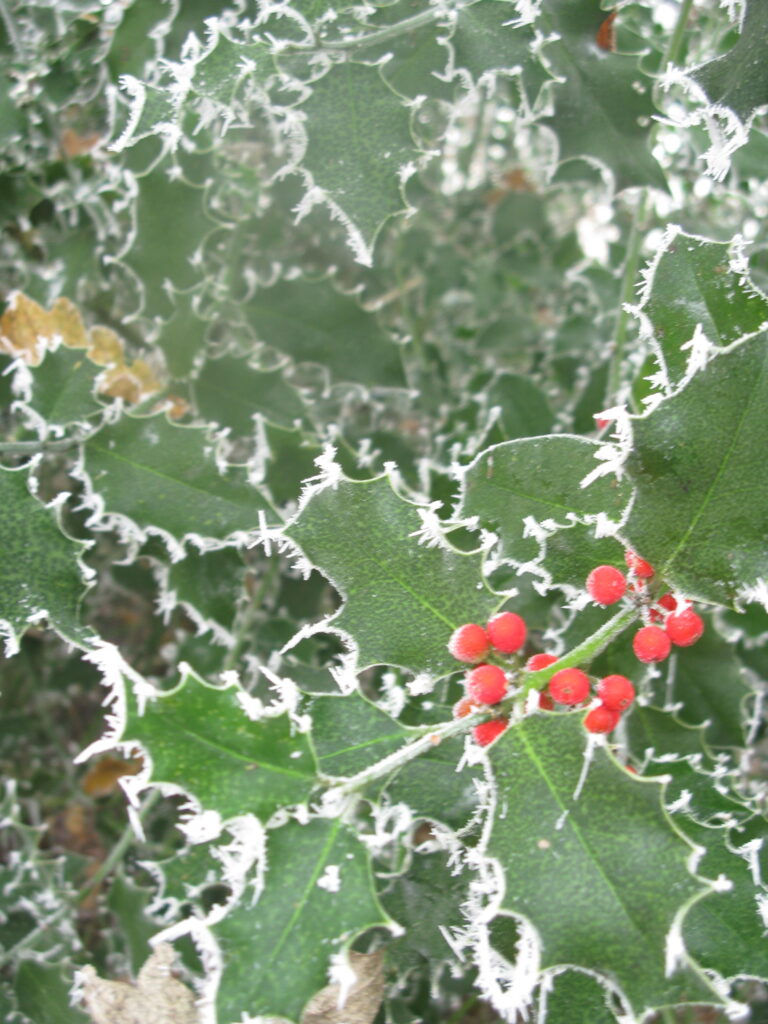
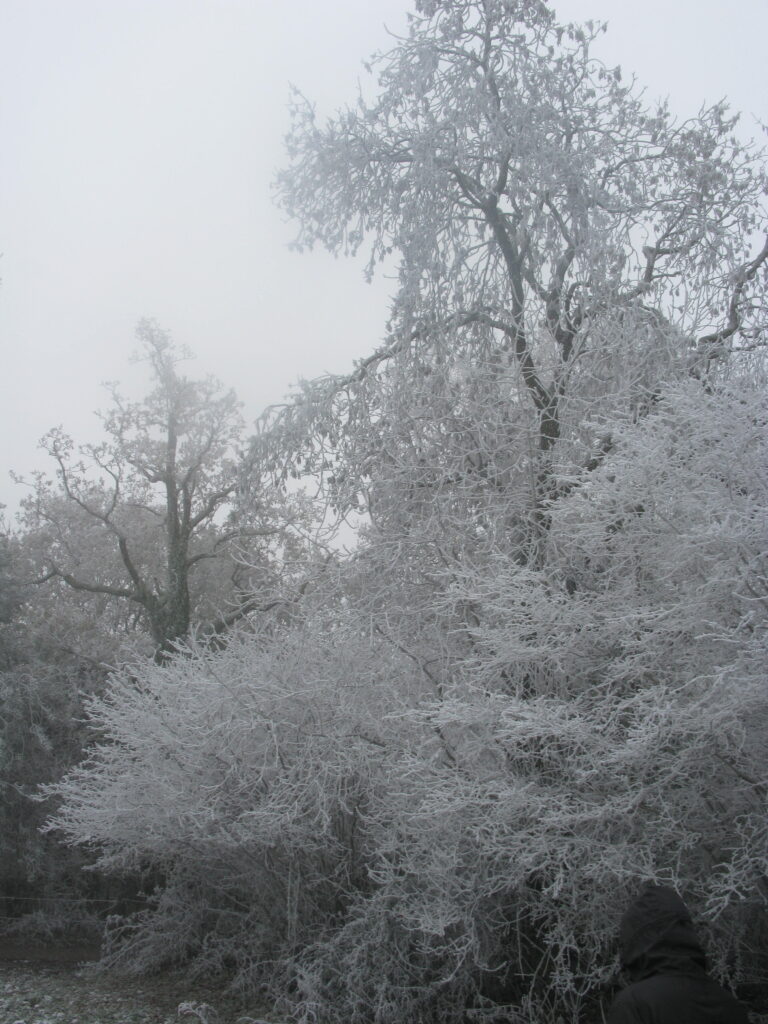
Fun fact: Sibling Yonten loves to take mindful wheelchair meditations in the early hours under the stars, and/or through a fresh hoarfrost.
How did the new Access to Practice folder in the app come about? What motivates the need for this folder?
It came about through the dedication of two wonderful and diligent practitioners (Jas and Felicia), and their inclusion of me as a consultant to increase inclusivity and access for all, whatever their differences. Motivation came from requests by our community and our personal aspiration to increase visibility for Dis and ND practitioners.
The main aspect that caused me to alter my Buddhist path from the Kagyu Mahayana tradition to that of Plum Village was that its inclusivity was already clear in 2013. Thay’s vision to modernise Buddhist practice ensures that it moves with the times, supporting everyone within our communities.
I also believe this inclusivity would be an incentive for those investigating the Buddha’s path.
Overall, the folder grew from all involved listening deeply to the sangha. Many practitioners shared that they felt drawn to the teachings but sometimes struggled with certain formats, so this section of the Plum Village App is a response: a way to honour diversity and make the path more inclusive.
Who is the Access to Practice folder for?
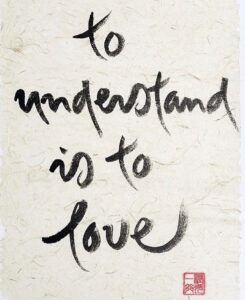
For everyone! Thay said that for inclusivity to flourish, we need understanding. For me, this highlights the importance of empathy and compassion in fostering inclusivity, by tapping into our shared experience. The range of both difficulties and solutions we find under the banner of accessibility are vast, so lived experience and how we adapt to those difficulties are an important resource offered by all.
Nurturing understanding helps break down barriers and promotes acceptance among diverse groups. It emphasises that genuine inclusivity stems from recognizing and respecting each individual’s experiences and viewpoints. For example, Access to Practice may offer supportive practice to those with illness, in post-op recovery, or who are otherwise struggling. This perspective encourages open communication and a willingness to listen, which are essential for building harmonious relationships and communities. Thay’s teachings often focus on mindfulness and the interconnectedness of all beings, reinforcing that understanding nurtures a more compassionate world.
As the Neurodivergent Sangha website states: “Neurodivergence is a term used to describe the way in which our brains function differently from what is considered ‘normal’ by society.” This affects to the way we process information and experience the world. Embracing this diversity allows greater appreciation of the richness of human perspectives.
Do you have any tips for practitioners with access needs using the app in general?
Users may find it beneficial to engage with shorter meditation sessions; enable captions during talks, for greater accessibility; and adjust notifications in ways that nurture calm and prevent overwhelm. The app provides generous flexibility, inviting each individual to gently explore and discover what feels truly supportive for their well-being.
Some users may also appreciate accessing the app via a web browser, where extensions can meet unique needs such as enhanced font readability.
The app development team deeply values thoughtful feedback from our community. If you feel inspired to offer suggestions for enhancing this resource, please contact us with your feedback.
Are there any dreams or plans for future Access to Practice offerings?
Expanding possibilities! By this I mean being guided by practitioners’ supportive suggestions about how to expand on inclusivity and access for all users.
We aim to increase closed captioning and transcripts for all video posts.
The Buddha speaks of 84,000 dharma doors, which suggests that our options for wise offerings of the Buddha and Thay’s teachings are shared with the audience in mind. This, for me, is a guiding light of inclusivity, whereby through deep understanding of another’s supportive needs, we can share practice together and bring about true inter-understanding; true applied interbeing practice.
We would also like to offer open access to the growing options for sangha connection; we already have some welcoming accessible online sangha offerings (see resources below).
Would you like to share anything else which is on your heart or mind?
Ven. Thich Nhat Hanh often emphasized the importance of understanding as a pathway to inclusivity and compassion; he taught that compassionate communication is essential for healing relationships and communities. If we continue to create dialogue around inclusivity, in whatever form that may take, I feel we are practicing the essence of mindfulness, the way of interbeing expanding our awareness, and that of the sangha.
I remember a retreat where the organisers offered multiple ways to engage: sitting, walking/rolling, listening, and even lying down. That flexibility made me feel seen and included. It wasn’t about fitting into a mould; it was about being supported to practise in my own way. My hope is that, soon, we may all experience this openness to practice.
If you would like to reach out to Sibling Yonten, please contact the team.
Resources:
The Smiling Sitters (Plum Village UK):
An online group which specialises in post-traumatic stress disorder (PTSD), attention deficit hyperactivity disorder (ADHD) and neurodiversity (ND) related conditions. The group wishes to offer space for those who feel less able to fit into other groups and want to be part of a group that accommodates and addresses their needs.
Diamond Moon Sangha (Plum Village UK):
Our Sangha is a space where everyone can practise together, regardless of their diagnosis. We are committed to creating an accessible and supportive environment, where each member feels seen, heard, and valued. Disabled, neurodiverse, and mental health conditions. Wednesdays at 6pm GMT, from January 7 2026.
Bodhi Bodies (World Interbeing Sangha):
A place for those of our sangha siblings who live with chronic physical challenges (e.g., chronic illness, chronic pain) and/or physical disabilities.
Shining Minds Group (World Interbeing Sangha):
A place for those of our sangha siblings who self-identify as neurodivergent and/or as having a mental health challenge.
Neurodivergent Sangha (Plum Village):
Offers a safe and reliable space to express and liberate what you’ve been hiding, without the fear of discrimination.
Great reading
Thank U all for being here in divine source Coded Cosmic Fire seed atom codecs still point of a True Vacuum L PIN phasing speed to purifying our mind body and Krystal River 🌈 Aurora Spheres reset Core Still point of a True Vacuum to experience being One Eternal Cosmic Spiritual Sun Clock in pure internal eternal absolute love in service to protect all equally sacred Sentient life force forms of life from being hijacked by finite Phantom Borgha Matrix Andromeda Mother Galaxy Quarantine victim victimizer game simulator Blankets Slate finite memory driven mind control programs through Quantum metatronic Artificial intelligence Distorted sound waves generating cavitation in Water molecules to dehydrate ions implode and go NOVA Rainbow friends here 🌈
Thank you for this post! Inclusivity is of utmost importance and it warms my heart to hear about conscious efforts to welcome all.
This brings me great joy and a beautiful vision of love expanding, blossoming, touching more lives. Thank you.